What it means to dream about snakes: symbolism, psychology, and cultural aspects
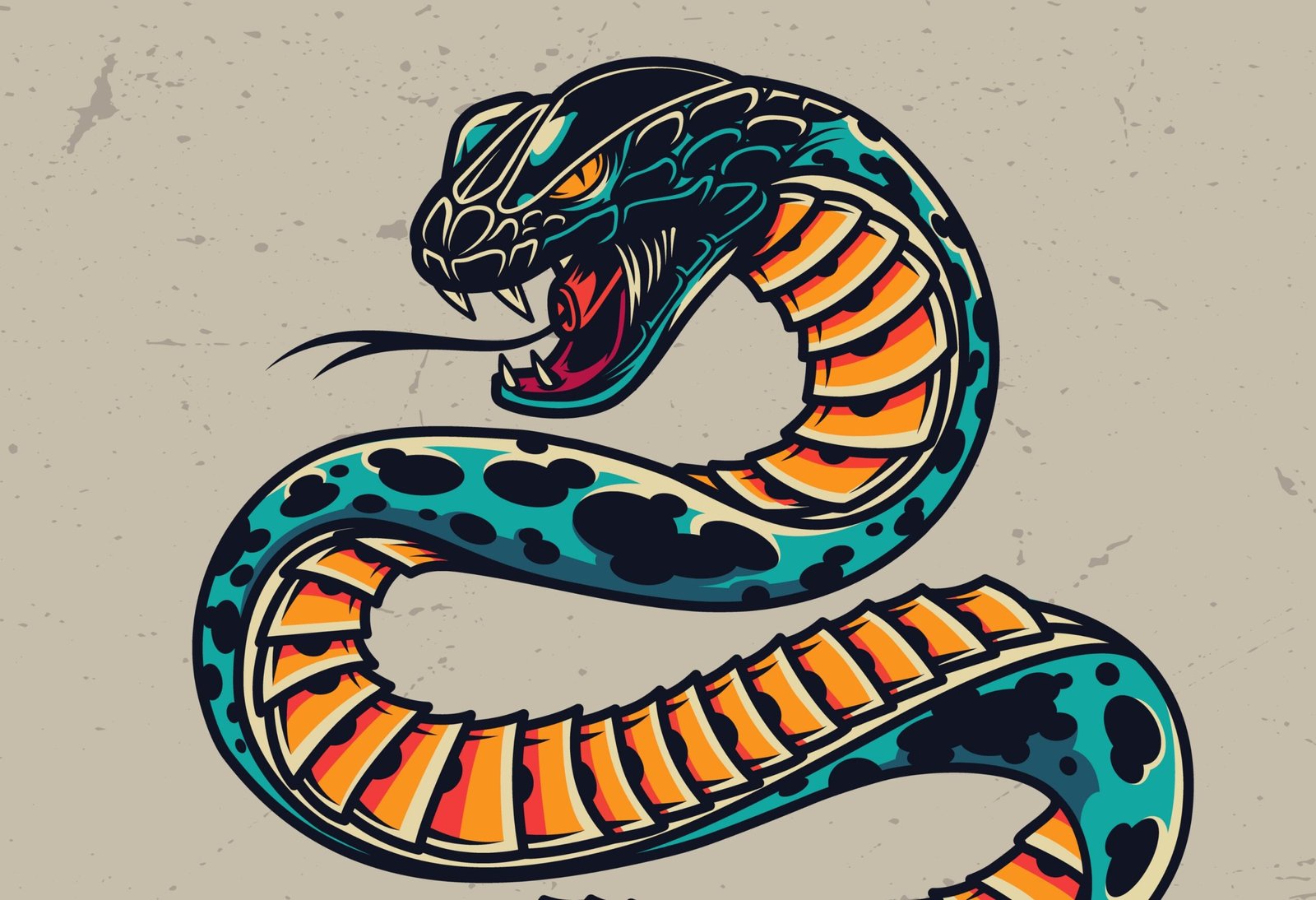
Few dream symbols provoke as much fascination or fear as the snake.
Whether it slithers silently across your path or suddenly appears in a vivid nocturnal vision, dreaming of a snake is one of the most common yet deeply layered dream experiences.
Across history, psychology, and world cultures, snakes have represented everything from healing and transformation to deception and danger.
Experts suggest that the meaning of such a dream depends not only on the dreamer’s emotions during the encounter but also on the cultural, spiritual, and personal context attached to the image.
What snakes represent in dreams
The snake is one of humanity’s oldest and most complex symbols. In ancient mythology, it appears both as a sacred and sinister creature.
In ancient Egypt, the serpent was associated with protection and rebirth. The cobra symbolized divine authority and guarded pharaohs in life and death. In Greek mythology, the snake represents both medicine and mortality. The rod of Asclepius, entwined with a serpent, remains the emblem of healing to this day.
In Christianity, the snake is often tied to temptation and deceit, particularly through the biblical story of Adam and Eve.
In Eastern traditions such as Hinduism and Buddhism, serpents or “nagas” are guardians of wisdom and powerful spiritual beings that live in both water and the subconscious.
These contrasting associations of danger and wisdom, death and renewal, form the foundation of the modern interpretations of snake dreams.
The psychological meaning of snakes
From a psychological standpoint, particularly in the field of Jungian and Freudian dream analysis, snakes often represent unconscious drives or unresolved fears…
Sigmund Freud viewed snakes as phallic symbols, representing repressed sexual energy or anxiety around intimacy.
Carl Jung, on the other hand, interpreted them as archetypal symbols of transformation, forces of nature that shed their skins, mirroring the process of personal growth and renewal.
Dream analyst and psychologist Laurel Clark, author of Intuitive Dreaming, explains that a snake in a dream can signal “an instinctive energy rising to consciousness.” It may suggest that something once hidden or repressed is ready to emerge, whether an emotion, a truth, or a new phase in life.
If the snake bites or threatens, the dream may symbolize confrontation with a painful truth or a toxic influence. If it moves peacefully, it may point to healing or spiritual awakening.
Emotional context for snakes in dreams
Interpreting a snake dream also requires attention to the emotional tone of the dream itself.
- Fear or panic may suggest anxiety, betrayal, or danger in waking life. The snake might represent someone or something perceived as threatening.
- Curiosity or calmness could signal acceptance of change, healing, or a deeper connection with intuition.
- Transformation, such as watching a snake shed its skin, often points to renewal and letting go of old habits, relationships, or identities.
According to dream researcher Dr. Kelly Bulkeley, emotions in dreams “function as guidance systems.” If the dream evokes tension, it may highlight a repressed issue. If it brings calm, it could confirm progress in personal growth.
Interpretations around the world
Different cultures interpret snake dreams through their own spiritual lenses…
- In Indigenous and African traditions, snakes often symbolize fertility, life force, and ancestral protection.
- In Chinese culture, they are linked to intelligence, mystery, and prosperity, particularly in people born under the Year of the Snake.
- In Latin American folklore, dreaming of snakes is often seen as a warning, a sign of hidden enemies or deceit.
- In Hinduism, snakes are associated with “kundalini energy,” a powerful spiritual force said to lie dormant at the base of the spine, awakening through meditation or self-awareness.
Such diversity of meaning shows that no single interpretation fits all dreamers. The snake’s symbolism shifts with cultural context and personal experience.
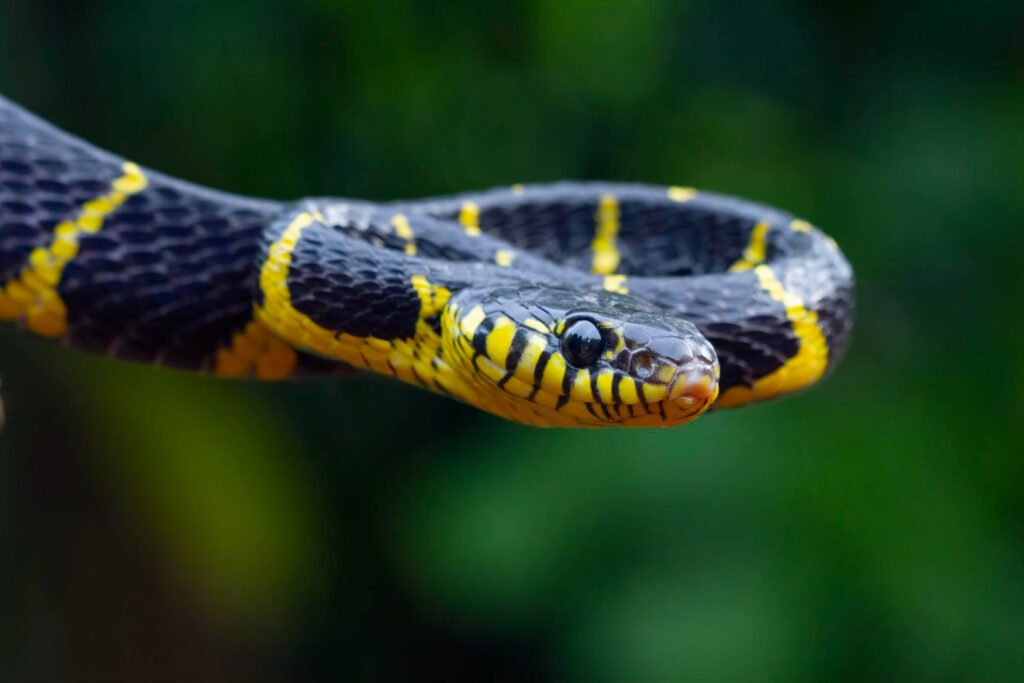
Snake dreams scenarios and meanings
- Being bitten by a snake – Often interpreted as a wake-up call. It may indicate betrayal, emotional pain, or the need to pay attention to something ignored.
- Seeing many snakes – May represent overwhelming emotions, confusion, or multiple sources of anxiety.
- Killing a snake – Could signify overcoming fear or defeating a problem, but also the suppression of instinct or passion.
- A snake shedding its skin – A powerful image of transformation and renewal, suggesting personal growth or the end of an old cycle.
- A friendly or talking snake – May symbolize wisdom, intuition, or a guide from the unconscious mind.
Dreams often combine literal and symbolic elements, so context matters. A snake in your garden might differ in meaning from one in your bed or your workplace.
While dream interpretation remains largely subjective, neuroscience has added another layer to the conversation. Researchers studying REM sleep, the stage when most vivid dreams occur, argue that dreams serve as simulations of emotional or threatening situations, helping the brain process and prepare for real-life challenges.
In this light, a snake could simply represent a deeply ingrained primal fear, one rooted in evolutionary survival instincts. Studies have shown that humans detect snakes faster than most other visual stimuli, a trait likely inherited from ancestors who needed to avoid venomous danger.
Ultimately, the meaning of a snake dream depends less on universal symbols and more on personal associations. A herpetologist may dream of snakes fondly, while someone who fears them may see the same image as a warning.
Experts recommend keeping a dream journal, noting feelings, events, and symbols to identify recurring themes. Over time, the snake may reveal itself as a messenger not of fear but of transformation.
As psychologist Carl Jung once wrote, “The snake, which casts off its skin, stands for the renewal of life.” Whether it appears as threat or teacher, the snake in your dream often invites introspection, growth, and a deeper connection to your own inner nature.